
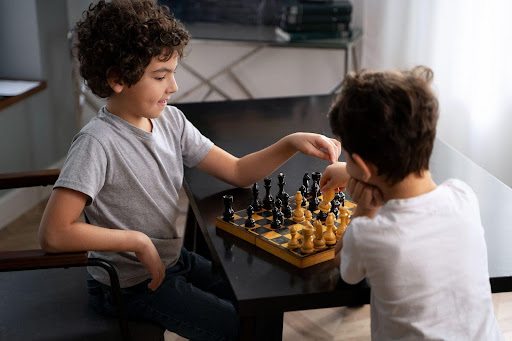
Unlock Your Child’s Potential with a Structured Chess Beginner Course
Chess is not just a game; it is a powerful tool for intellectual and personal development, offering children a unique way to enhance both cognitive and emotional skills. Enrolling children in a structured chess beginner course for kids provides a guided environment where they can learn systematically, developing critical thinking, problem-solving abilities, and emotional resilience. Unlike informal play, a structured course introduces the rules of the game, essential strategies, and practical exercises step by step, ensuring young learners grasp concepts clearly and confidently. By combining interactive lessons, engaging puzzles, and practical gameplay, children not only develop patience, focus, and strategic thinking but also gain the ability to analyze situations and make thoughtful decisions.
Beyond learning chess, such a course fosters confidence, discipline, and analytical skills, laying the groundwork for lifelong intellectual growth while supporting academic achievement, social interaction, and personal development in meaningful ways.
Building Core Chess Skills Through Systematic Learning
- Mastering Piece Movements: Children learn how each chess piece moves individually and in combination with others, creating a clear understanding of the board. This foundational knowledge allows them to plan simple tactics effectively.
- Understanding Board Dynamics: Exercises focus on helping learners recognize spatial patterns, key squares, and piece coordination. Children develop the ability to foresee potential threats and opportunities across the board.
- Introduction to Openings: Structured lessons teach simple opening sequences that establish solid positions early in the game. Children learn the purpose behind each move, rather than memorizing blindly.
- Interactive Puzzles and Practice Games: Hands-on activities reinforce theoretical knowledge through practical application. Children solve puzzles that simulate real-game scenarios, enhancing analytical and tactical skills.
- Stepwise Skill Development: Lessons are designed to increase in complexity gradually, accommodating the child’s learning pace. Each stage introduces new challenges while reinforcing previously learned concepts.
This structured approach ensures children gain mastery over the basics before progressing to more complex strategies, forming the foundation for long-term success in chess.
Enhancing Critical Thinking and Strategic Planning
- Recognizing Tactical Patterns: Children learn to identify recurring themes and strategies during gameplay. This helps them spot opportunities to advance and anticipate threats from opponents.
- Anticipating Opponent Moves: Students develop the ability to predict others’ actions and plan accordingly. By considering potential strategies, they learn to respond proactively rather than reactively.
- Analyzing Consequences: Children are guided to evaluate possible outcomes before executing moves. Understanding cause and effect helps them weigh risks and make informed choices.
- Scenario-Based Learning: Simulated games provide a safe environment to test different strategies. Learners can experiment, make mistakes, and learn from them without real-world consequences.
- Logical Reasoning Exercises: Puzzles and challenges encourage systematic thinking and deduction. Children learn to break down complex problems into manageable steps.
By fostering strategic thinking, children not only improve their gameplay but also develop cognitive skills that are applicable in academics and real-life problem-solving scenarios.
Building Confidence and Emotional Intelligence
- Handling Wins and Losses: Children develop emotional resilience by learning to celebrate their successes gracefully. Experiencing losses teaches them to handle setbacks constructively and not fear failure.
- Improving Focus and Patience: Engaging in structured gameplay requires sustained attention over time. Children practice patience by waiting for the right moves and thinking ahead.
- Encouraging Collaboration: Group activities and interactive lessons cultivate teamwork and cooperation. Children learn to communicate effectively, respect different perspectives, and share responsibilities.
- Self-Reflection and Analysis: Reviewing games allows children to critically assess their strategies and decisions. They learn to identify patterns, strengths, and areas needing improvement.
- Celebrating Milestones: Recognizing achievements through awards or certificates reinforces effort and progress. Children gain confidence and motivation to continue learning and improving.
Integrating emotional intelligence with chess instruction helps children cultivate resilience, empathy, and confidence, which are essential for personal growth beyond the chessboard.
Leveraging Interactive Tools and Modern Learning Techniques
- Digital Learning Platforms: Online games, puzzles, and simulations make learning fun and interactive. Children stay engaged while practicing skills in an immersive digital environment.
- Progress Tracking Systems: Performance dashboards allow parents and instructors to monitor improvements. Tracking progress helps identify strengths, areas for growth, and tailor guidance effectively.
- Adaptive Learning Modules: Lessons are customized to match each child’s pace and skill level. Personalized content ensures consistent growth and avoids frustration or boredom.
- Gamified Exercises: Rewards, badges, and challenges motivate learners to stay committed. Gamification encourages practice, persistence, and enjoyment in the learning process.
- Multi-Sensory Approach: Visual aids, tutorials, and interactive exercises appeal to different learning styles. Combining multiple senses enhances comprehension, retention, and engagement.
Integrating modern learning tools ensures children remain motivated, reinforces concepts, and provides measurable progress, making chess learning both efficient and enjoyable.
Long-Term Benefits Beyond Chess
- Strategic Thinking: Early chess learning helps children develop foresight and plan several steps. It strengthens analytical reasoning and the ability to anticipate outcomes.
- Enhanced Memory and Concentration: Mental exercises in chess improve focus and attention span. Regular practice boosts cognitive retention and mental agility.
- Improved Decision-Making: Children learn to evaluate options carefully before acting. Anticipating consequences in gameplay translates to better choices in daily life.
- Analytical and Logical Skills: Chess encourages methodical thinking and structured problem-solving. It fosters the ability to analyze situations and develop logical strategies.
- Lifelong Love for Learning: Consistent, structured courses nurture curiosity and persistence. Children develop a habit of continuous improvement and a passion for learning.
By instilling these skills, children not only become proficient at chess but also gain cognitive and emotional tools that benefit academics, personal development, and future problem-solving challenges.
Final Thoughts
The best beginner chess course equips children with far more than the ability to play the game; it nurtures critical thinking, strategic planning, and emotional intelligence. A thoughtfully designed program ensures learners develop core skills systematically while remaining engaged and motivated through interactive lessons and practical exercises.
For parents seeking an expertly structured approach to chess education, Chessbrainz offers courses that balance fun with rigorous skill development. By providing children with a guided learning path, parents can help them unlock their potential, build confidence, and cultivate analytical skills that will serve them throughout life. Explore structured chess programs at Chessbrainz to give your child a strong foundation in both chess and cognitive development.