
Ergonomics in Manufacturing: The Growing Role of Tool Balancers
Manufacturing floors in the USA are changing at a very high rate. Although automation is increasing, manual equipment is still playing a crucial role in assembly, fabrication, packaging, and maintenance. Nevertheless, as the manual tools are being used more, so is the need for ergonomics, not just as a regulatory measure, but also as a way of increasing productivity. The tool balancer is one of the tools that are transforming the workstations.
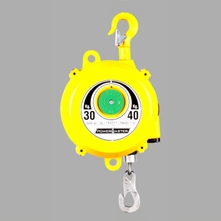
A tool balancer is a machine that carries tools such as nut runners, grinders, welders, and screwdrivers in a way that enables the operators to operate them with very little effort. Instead of transferring the entire weight of the tool up and down in a shift with a spring balance scale, a weightless control of the tool is exercised by the operator. This little mechanical modification offers a tremendous ergonomic advantage, especially in large-scale production plants where one has to deal with repetitive work.
In the case of manufacturers in the USA, where labor shortages, compensation claims that are on the rise, and strict OSHA regulations are becoming a reality, ergonomic improvements are no longer an option, but a necessity. Tool balancers can be a good and cost-efficient method of transitioning to a safer and more productive manufacturing floor without necessarily investing in automation.
Where Ergonomic Gains Show Up First
When tool balancers are introduced, the effect is immediate, both physically for the operator and operationally for the supervisor.
The key benefits include:
- Less strain on the shoulder and arm due to the weight of the suspended tools
- Less chance of repetitive stress injuries (RSIs)
- Improved operator posture when using the tool overhead or extended
- Less fatigue over extended periods of operation
- Improved tool control for precision applications
Productivity Benefits Beyond the Worker’s Comfort
Ergonomics and productivity are interrelated. As a result of reduced fatigue, production levels remain constant, and quality also improves. Tool balancers help in smooth production in the following ways:
- The position of the tools remains constant and accessible.
- The time taken to retrieve the tools between cycles is reduced.
- The number of tool drops and damage occurrences is reduced.
- The angle of fastening or welding remains constant.
- Training a new operator is easier.
- The working area remains organized.
- Production capacity is improved without increasing labor effort.
Supporting Safer Manufacturing Floors
The United States is experiencing an increase in safety rules at the workplace, and most of the time, ergonomics is at the top of the agenda during the safety checks. Suspended tool systems help the facilities to be proactive in the sense that they get rid of the risks that are attached to the handling of manual tools.
This can cause sudden strain, slips, or even falls due to heavy tools measured using a spring balance scale that are not supported. A tool balancer with correct tool positioning means that the tool will not fall, move easily, and will not be left in the pathways. This will help to avoid the risk of tripping and will safeguard the workers and equipment.
Insurance firms and safety auditors are beginning to realize the benefits that ergonomic tools such as tool balancers can bring to the reduction of workplace risks. Eventually, the absence of injury claims and lost time can help businesses recoup the initial investment that they made in these tools.
Why Adoption Is Accelerating Now
Several changes in the industry are propelling more rapid adoption in U.S. manufacturing:
- An Aging workforce requiring ergonomic accommodation
- Pressure to reduce workers’ compensation costs
- Higher production targets with leaner staffs
- Growth of electric and pneumatic precision tools
- Increased awareness of ergonomic ROI
- OSHA focuses on musculoskeletal injury prevention
- Competition for skilled labor retention
Conclusion
Ergonomics has evolved from a comfort issue to a safety and productivity solution. Tool balancers are an easy addition to the traditional manual workstation, ensuring U.S. manufacturers are protecting their employees while maintaining a high level of productivity. As the future of factories becomes a blend of automation and human expertise, tools that provide a combination of performance and comfort will remain at the forefront of the discussion, and tool balancers will be a part of that future.