How Stress Can Make You Look Older Than You Feel
Modern life exposes many people to ongoing stress, whether through work demands, lack of sleep, or constant mental pressure. While stress is often discussed in relation to mental health, its physical effects on appearance receive less attention. Skin, posture, and overall vitality respond directly to internal stress signals, which explains why prolonged tension can make individuals appear older than their actual age. Understanding how stress affects the body helps explain why managing it plays a role in maintaining a healthy and youthful appearance.
When stress becomes chronic, cortisol levels remain elevated for extended periods. This hormonal imbalance affects collagen production, reduces skin repair efficiency, and increases inflammation. Over time, skin may lose elasticity, fine lines become more noticeable, and healing slows after minor irritation or environmental damage. The result is not sudden ageing but gradual changes that make skin appear tired and less resilient.
Sleep disruption often follows prolonged stress, creating another pathway for visible ageing. During deep sleep, the body repairs damaged cells and supports skin regeneration. Insufficient or poor-quality sleep interrupts this process, leading to dull skin tone, under-eye shadows, and reduced firmness. Repeated sleep loss compounds these effects, making the face appear drawn even when overall health remains stable. Many individuals attempt to correct these changes with topical products alone, but underlying stress continues to influence skin quality.
Facial tension also contributes to premature ageing. Stress encourages unconscious muscle contraction, particularly around the forehead, eyes, and jaw. Over time, repeated expressions caused by tension can deepen lines in these areas. Unlike natural expression lines formed gradually over decades, stress-related tension accelerates their appearance because muscles remain contracted more frequently. Relaxation techniques and conscious posture adjustments can help reduce this effect, but many individuals seek additional support through professional care.
Lifestyle habits influenced by stress further affect appearance. People experiencing high stress often neglect hydration, balanced nutrition, or regular exercise. These changes reduce circulation and oxygen delivery to the skin, contributing to dullness and slower renewal. Poor dietary choices may also increase inflammation, which affects both skin clarity and overall complexion. Addressing these habits often improves appearance as much as topical or procedural interventions.
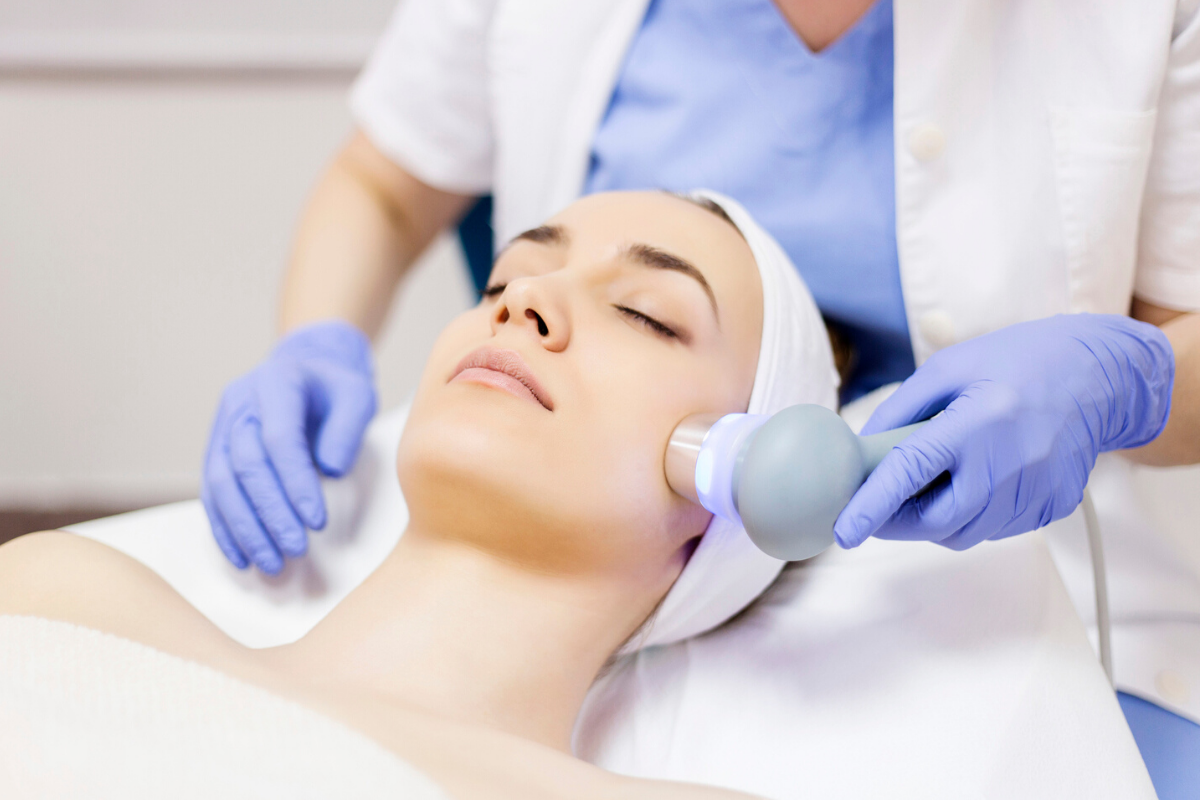
In some cases, individuals explore cosmetic medical treatments to address visible signs that have developed during prolonged stressful periods. These treatments aim to restore balance by softening lines, improving skin texture, or supporting collagen renewal. When approached responsibly, cosmetic medical treatments can complement lifestyle improvements rather than replace them, helping individuals regain a more rested and natural appearance while underlying stress factors are managed.
Emotional stress also affects how people carry themselves physically. Posture tends to decline during periods of fatigue or anxiety, which can influence how age is perceived. Slouched shoulders, reduced facial expression, and low energy levels contribute to an overall impression of tiredness. Improvements in stress management often result in noticeable changes in body language and facial openness, reinforcing a more youthful appearance without direct aesthetic intervention.
Long-term stress exposure may also weaken the skin’s protective barrier. This increases sensitivity to environmental factors such as pollution and sunlight, accelerating visible ageing signs. Skin that struggles to retain moisture becomes more prone to fine lines and uneven texture. Protective habits such as consistent sun protection and gentle skin care routines become more important when stress levels remain high.
Professional guidance can help individuals determine whether visible changes stem primarily from lifestyle factors or require additional intervention. Cosmetic medical treatments are most effective when combined with improved sleep, nutrition, and stress management strategies. Addressing only surface concerns without reducing stress often leads to temporary results rather than lasting improvement.