
Common Pool Water Contaminants and How Purification Removes Them
A clean and healthy swimming pool is essential for the safety and comfort of swimmers. However, pool water can easily become contaminated due to daily use, environmental factors, and improper maintenance. Understanding common pool water contaminants and how purification removes them helps pool owners maintain crystal-clear, hygienic water all year round.
1. Bacteria and Microorganisms
One of the most common contaminants in pool water is bacteria. Swimmers introduce bacteria through sweat, saliva, skin, and even small amounts of body waste. Harmful microorganisms such as E. coli and other pathogens can multiply quickly if water is not treated properly.
Pool water purification removes bacteria using disinfectants and filtration systems. Proper purification, including the use of Swimming Pool Treatment Chemicals Glendale AZ, ensures that bacteria are neutralized, keeping swimmers safe from infections and waterborne illnesses.
2. Algae Growth
Algae is another major issue in swimming pools, especially in warm and sunny climates. It can enter pool water through rain, wind, or contaminated equipment. Algae causes green, yellow, or black discoloration and makes pool surfaces slippery and unsafe.
Purification systems control algae by maintaining balanced water chemistry and using algaecides. Regular purification prevents algae from spreading and keeps pool water clear and visually appealing.
3. Dirt, Dust, and Debris
Environmental contaminants like dust, dirt, leaves, insects, and pollen frequently enter pool water. These particles not only make the water look dirty but also affect filtration efficiency and chemical balance.
Filtration systems play a vital role in removing physical debris. Skimmers, pool filters, and vacuuming work together during purification to eliminate unwanted particles and improve overall water clarity.
4. Body Oils and Sunscreen Residue
Swimmers often bring oils, lotions, and sunscreen into the pool. These substances float on the water surface, clog filters, and reduce the effectiveness of disinfectants.
Pool water purification removes oils by using proper filtration and oxidation processes. Regular water treatment breaks down oily residues, helping disinfectants work more effectively and preventing cloudy water.
5. Chemical Imbalance
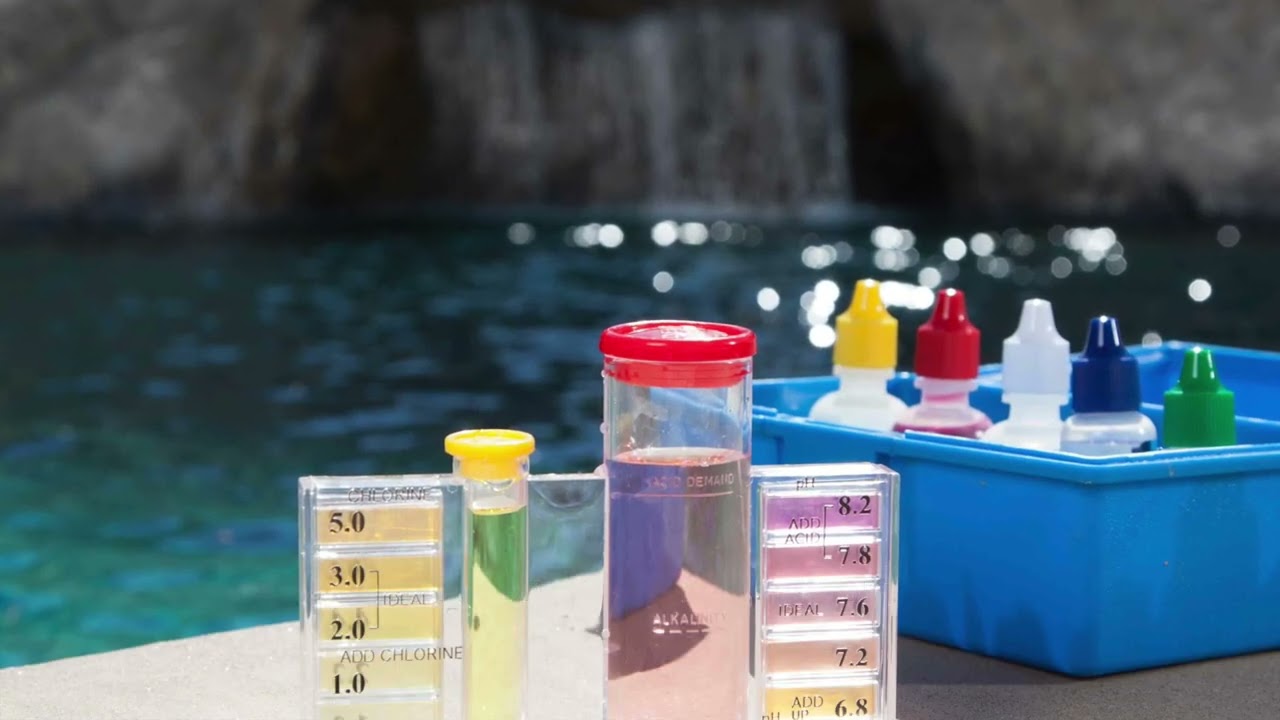
Improper pH levels and unbalanced chemicals can also contaminate pool water. When pH is too high or too low, it reduces the effectiveness of disinfectants and may cause skin and eye irritation.
Professional purification services carefully monitor and adjust chemical levels. With the right balance and the use of Swimming Pool Treatment Chemicals Glendale AZ, pool water remains safe, comfortable, and properly sanitized.
6. Metals and Minerals
Metals such as iron, copper, and calcium can enter pool water through source water or corroded equipment. These contaminants may cause staining, cloudy water, and scaling on pool surfaces.
Purification removes metals using specialized filters and treatment solutions. Controlling mineral content protects pool equipment and improves water quality.
How Purification Protects Pool Health
Effective pool water purification is more than just cleaning—it is about maintaining a balanced, safe environment. By eliminating bacteria, algae, debris, oils, and chemical imbalances, purification ensures clear water, reduces maintenance costs, and extends the life of pool equipment.
Conclusion
Pool water contaminants are unavoidable, but proper purification keeps them under control. Regular maintenance, professional purification, and balanced water chemistry are essential for a safe swimming experience. Understanding how purification removes common contaminants helps pool owners take proactive steps toward cleaner, healthier pool water.
Read other: Poolservice Wien: Customized Cleaning Plans for Every Pool